Optimal Packing Sequence to Speed Up Your Move
If you've ever stood in the middle of a room with three half-filled boxes, a roll of tape that seems to have vanished, and a growing sense that the whole move is slipping away from you, you're not alone. The optimal packing sequence to speed up your move is not just about boxing things in any old order; it's about reducing wasted motion, avoiding last-minute panic, and making moving day feel far less chaotic. In practice, the right sequence can save hours, cut breakages, and make unpacking noticeably easier. And yes, it can even spare you that awful "where on earth is the kettle?" moment at 7 a.m. in a new house.
Whether you're moving a flat, a family home, or a small office, packing in the correct order makes a real difference. This guide breaks down how to do it properly, why it matters, what to pack first, what to leave until the end, and how to make the whole process smoother if you're using home moves, a man and van service, or full house removalists. Let's get into the practical side, because that's where the time savings live.
Why Optimal Packing Sequence to Speed Up Your Move Matters
Good packing is not only about protecting your belongings. It's about sequencing work so that every box you seal gets you closer to move-ready without creating more mess behind you. A poor sequence usually means repacking, searching for essentials, and slowing down movers because they have to wait for rooms to be cleared. A strong sequence does the opposite: it keeps momentum, lowers stress, and helps your move run like a plan rather than a scramble.
Think of it like clearing a kitchen worktop before cooking. If the workspace is tidy, everything else flows. If you start by packing the wrong things first, you create bottlenecks. Toiletries end up boxed too soon. The coffee machine disappears three days early. Chargers go missing. Then the final night becomes a small disaster with tape and bin bags. To be fair, most moving stress comes from sequence, not volume.
This matters even more if you're working to a fixed access slot, coordinating with a landlord, or booking a vehicle through removal truck hire or moving truck support. The faster the packing sequence, the easier it is to load, transport, and unload without delay.
How Optimal Packing Sequence to Speed Up Your Move Works
The simplest way to understand optimal packing is this: pack by frequency of use, fragility, and room priority. Items you use least go first. Items you need daily stay out until the end. Fragile items get extra time and attention. And rooms that contain non-essential belongings are usually cleared before the rooms you rely on every day.
A smart sequence often follows this pattern:
- Sort and declutter before touching boxes.
- Pack out-of-season or rarely used items first.
- Clear storage spaces, shelves, and decorative items next.
- Pack spare rooms, loft spaces, and garages.
- Move into secondary rooms like studies or guest bedrooms.
- Leave kitchens, bathrooms, and everyday essentials until the end.
- Prepare a final essentials box for move day and the first night.
This sequence works because it respects how people actually live. You don't need your winter coats in July. You probably do need your toaster and toothbrush. Simple, but easy to get wrong when you're tired.
For businesses, the principle is similar. With office relocation services or broader commercial moves, the best packing sequence often starts with archived files, display items, surplus stock, and non-essential furniture, then moves toward active desks, IT equipment, and daily-use documents closer to departure.
Key Benefits and Practical Advantages
The right packing order gives you more than just a tidy stack of boxes. It improves the whole move from the inside out.
- Less wasted time: You stop packing and repacking the same items.
- Faster loading: Boxes are ready in logical groups, so loading a van or truck becomes more efficient.
- Reduced breakage: Fragile items are handled with more care, at the right stage, rather than hurried at the end.
- Better label control: Labels stay consistent when you pack room by room and category by category.
- Easier unpacking: Boxes arrive in a sequence that matches how you'll need things in the new place.
- Lower stress: There's a sense of progress. That matters more than people think.
There's also a hidden benefit: better decision-making. Once you've packed the obvious non-essentials, you can see what's left and make smarter choices about what deserves space in the new home. That can help with furniture, storage, and even disposal. If you have bulky pieces you no longer want, a service like furniture pick up may be useful before moving day rather than after.
Expert summary: The best packing sequence is not the fastest in the first hour. It's the one that stays efficient all the way through. That's the real win.
Who This Is For and When It Makes Sense
This approach is useful for almost anyone moving, but it's especially valuable if you have limited time, a tight move date, or a lot of mixed-use items. If that sounds familiar, you're in the right place.
It makes strong sense for:
- Families moving from larger homes with multiple storage areas
- Flat sharers trying to divide belongings cleanly
- Busy professionals who can only pack in short evening sessions
- Older adults downsizing and deciding what to keep
- Small businesses moving desks, stock, or archive material
- Anyone booking a van, truck, or full moving team and wanting things ready on time
If you're using man with van support for a smaller move, the sequence is even more important because the loading window is usually tighter. If you're arranging a larger domestic relocation through house removalists, good sequencing helps the crew work faster and keeps the day calmer for everyone involved.
Truth be told, some moves are just more complicated than others. Stairs, parking restrictions, awkward furniture, a last-minute change of completion time - these all tighten the schedule. The better your packing sequence, the more breathing room you keep.
Step-by-Step Guidance
If you want a move that feels controlled rather than frantic, follow this order. It's practical, not flashy. That's the point.
1. Start with a full sort-out
Before you seal a single box, go room by room and remove what you don't want to take. Keep, donate, recycle, and discard piles should be set up first. Packing clutter just means paying to move clutter. Nobody needs that.
2. Pack storage and rarely used items first
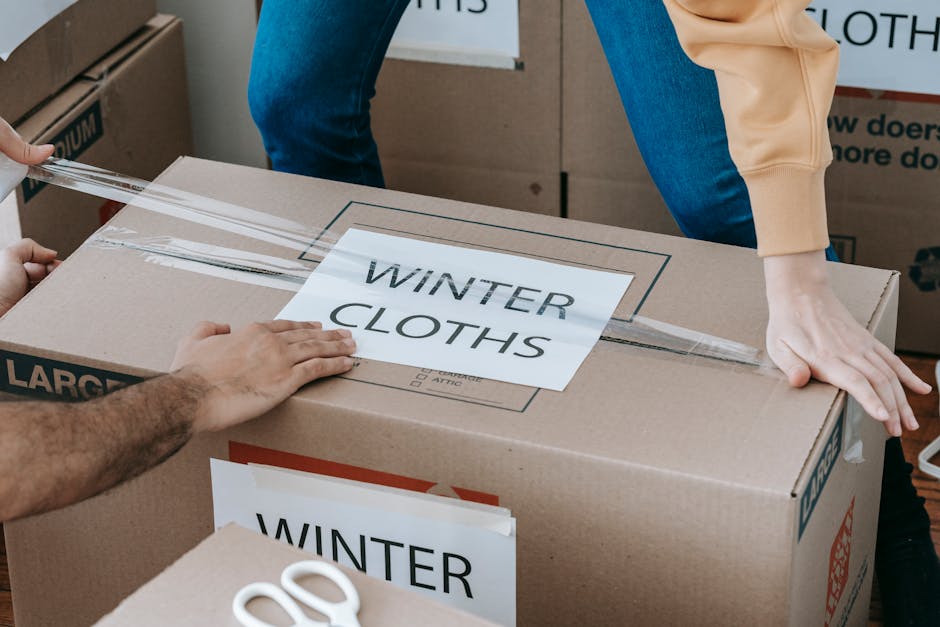
Think loft boxes, seasonal decorations, spare bedding, books you don't reach for often, and duplicate kitchenware. These items are ideal starters because you can live without them for a while.
3. Move to decorative and backup items
Photo frames, ornaments, extra cushions, spare cables, guest room items, and backup toiletries can all go next. This clears visible surfaces and creates a sense of order quickly.
4. Tackle room by room, not random piles
One room at a time is usually the cleanest approach. If you mix items from the bedroom, kitchen, and hallway into the same box, unpacking becomes a guessing game. Keep the categories together unless the item is genuinely small and low-risk.
5. Leave daily essentials until the final stretch
Kitchen basics, medication, work laptops, school items, chargers, a few days of clothes, and cleaning supplies should stay accessible. A lot of people pack them too early because they look small and harmless. Then, of course, they're the exact things needed on the final evening.
6. Prepare an essentials bag or first-night box
This should travel with you, not go on the van if you can help it. Include phone chargers, keys, IDs, basic toiletries, tea or coffee, toilet paper, medication, snacks, and a change of clothes. A mug. A bin bag. Maybe even a pair of scissors. Small things, huge relief.
7. Finish with fragile and awkward items
Only pack fragile items once you've got enough time and counter space to do them properly. Mirrors, glassware, framed art, and lamps often need extra wrapping and careful boxing. This is where rushing causes most damage.
8. Label for unloading, not just for packing
A label that only says "kitchen" is okay. A label that says "kitchen - mugs, kettle, tea towels, open first" is much better. The second version saves you from searching around in the first hour after arrival.
Expert Tips for Better Results
Once the basics are in place, these small improvements can make a real difference. They're the kind of things that look minor on paper but feel huge on move day.
- Pack a little each day: Even 30 minutes in the evening can prevent a last-minute pile-up.
- Use similar-sized boxes where possible: Stacking is safer and the van loads more neatly.
- Keep hardware together: Tape screws, shelf pins, and fittings to the item they belong to, or store them in clearly marked bags.
- Use colour coding if you like: A simple coloured sticker per room can speed up unloading more than people expect.
- Take photos before dismantling furniture: Helpful for reassembly, especially for flat-pack pieces that always seem straightforward until they are not.
- Do a final sweep at eye level and floor level: The stray charger under the bed or the kitchen tongs in a drawer often gets missed.
A good packing sequence also respects weight distribution. Heavy items should go in smaller boxes so they're easier to carry and less likely to split. Put lighter cushioning materials around fragile contents, but don't overfill boxes just to finish them. That "one more book" habit is a classic mistake.
If you're moving after work, try starting with the rooms that create visible progress fastest. A clear hallway and spare room can make the whole house feel more manageable by Friday evening. It sounds silly, but seeing order appear changes how you feel about the move. That mental lift matters.
Common Mistakes to Avoid
Most packing delays come from a few predictable errors. Avoid these and you're already ahead of the game.
- Starting with essentials: If you pack your daily-use items first, you will end up reopening boxes. Usually at the worst time.
- Packing without sorting: This is how junk gets moved into the new home. Not ideal.
- Using the wrong box sizes: Big boxes full of heavy books are awkward and risky. Small boxes are better for dense items.
- Vague labelling: "Misc" is a trap. Future-you will not thank present-you.
- Leaving fragile items until the end of the night: Rushing glassware at 10 p.m. is not a great plan.
- Not planning the first 24 hours: If you don't know where bedding, kettles, and toiletries are going, the first night gets messy very quickly.
One more thing: don't underestimate the time it takes to pack awkward items like lamps, artwork, plants, or home gym gear. These are often the "we'll deal with it later" objects. Then later arrives, and they're still there. Standing in the corner. Looking innocent.
Tools, Resources and Recommendations
You don't need a huge kit, but the right materials make the sequence much smoother. Good packing usually depends on preparation more than effort.
- Strong cardboard boxes in a few different sizes
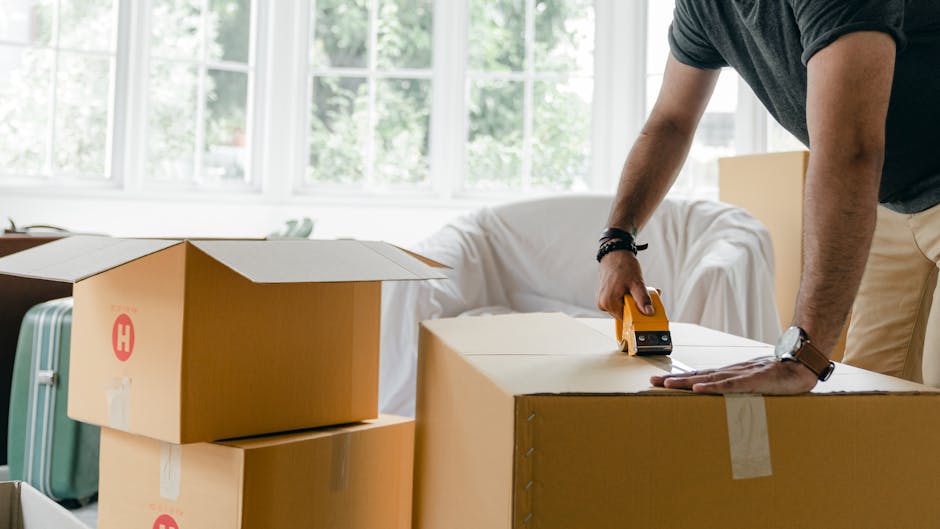
- Packing tape and a dispenser
- Marker pens for clear labels
- Bubble wrap or paper padding for fragile items
- Zip bags for screws, cables, and fittings
- Furniture blankets or moving covers
- Labels or coloured stickers for room-by-room sorting
- Utility knife or scissors for opening materials quickly
If you want a simpler route, professional packing and unpacking services can remove a lot of the friction, especially when time is limited or there are fragile items to manage. That can be a very sensible choice for larger homes, office moves, or families juggling school runs and work calls.
For service planning, it's also worth looking at pricing and quotes early, rather than late. Knowing what support you can afford helps you decide whether to pack independently, use a van service, or outsource the whole thing.
If recycling matters to you, check the company's approach to recycling and sustainability before you book. Moving is a good time to reduce waste properly, not just shift it from one postcode to another.
Law, Compliance, Standards, or Best Practice
For most household moves, there isn't a special packing law that dictates the order of your boxes. Still, there are important best-practice points worth keeping in mind, especially around safety, insurance, and handling responsibilities.
First, any moving company you use should be transparent about how it handles goods in transit, what is and isn't covered, and how damage claims are approached. That is why reading pages such as insurance and safety and health and safety policy is a sensible step before you commit. Not thrilling reading, admittedly, but useful.
Second, if you're moving business equipment or records, internal handling procedures matter. Sensitive files, electronics, and confidential materials should be packed and transported in a way that protects privacy and reduces loss risk. For commercial relocations, this is especially relevant. It's not just about speed; it's about responsible handling.
Third, if you're booking a service online, make sure payment and booking terms are clear. Checking payment and security and terms and conditions is basic due diligence, not overcautious behaviour.
If accessibility or special assistance is needed, it's worth reviewing the provider's accessibility statement or getting in touch in advance. A good move is one that works for the people involved, not just the boxes.
Options, Methods, or Comparison Table
There isn't one perfect method for every move. The best packing sequence depends on your household, timeline, and how much help you have. Here's a practical comparison.
| Method | Best for | Pros | Trade-offs |
|---|---|---|---|
| Room-by-room packing | Most homes and flats | Clear labels, easier unpacking, less confusion | Can feel slow if you keep switching between rooms |
| Category-based packing | Smaller homes, studios, or minimalists | Efficient for similar items, good for storage planning | Can mix room contents and complicate unpacking |
| Priority-based packing | Tight deadlines, last-minute moves | Focuses on essentials and time-sensitive items first | Needs strong discipline to avoid forgetting less obvious items |
| Professional packing service | Busy families, offices, fragile-heavy moves | Saves time, reduces stress, good for tricky items | Additional cost, less hands-on control |
For a family home, room-by-room packing usually wins. For an office or archive-heavy move, category-based packing can be more efficient. And if time is tight, a professional service may be the most practical route, especially when combined with the right vehicle through man and van or larger transport support.
Case Study or Real-World Example
Here's a realistic example from a typical two-bedroom flat move. Nothing dramatic, just the kind of move many people recognise.
The household started six days before moving day. First, they cleared the spare room and storage cupboard, which contained books, seasonal clothes, and old paperwork. That gave them quick early wins. Next, they packed decorative items and guest bedding. By day four, the lounge looked half empty, which made the whole move feel manageable instead of overwhelming.
Then they moved to the kitchen. Instead of packing everything at once, they left everyday cooking items until the final 24 hours: kettle, mugs, a saucepan, tea bags, bin liners, and basic cleaning spray. That meant they could still function normally right up to move day. Sensible, really. A little boring, maybe, but sensible.
On the final evening, they packed a first-night box with bedding, toiletries, chargers, medication, snacks, and a few cups. The van arrived in the morning, loading went faster because boxes were clearly labelled, and the first night in the new place was calm enough for takeaway and a decent cup of tea. Not glamorous. Better than chaos, though.
The biggest lesson was simple: packing sequence made the difference between a messy move and a controlled one. They did not pack faster by rushing. They packed faster by packing in the right order.
Practical Checklist
Use this checklist as a final pre-move prompt. It's short on purpose.
- Declutter before packing starts
- Gather boxes, tape, labels, and wrapping materials
- Pack storage and seasonal items first
- Use room-by-room labelling
- Keep daily essentials accessible until the end
- Prepare a first-night box or bag
- Separate fragile items and label them clearly
- Bag screws, fittings, and small parts together
- Confirm parking, access, and time slots for move day
- Check booking details, insurance, and payment terms
- Walk through the property once everything is loaded
If you're relocating a business or office, add one more line: back up digital files and confirm who is responsible for each department's essentials. A tiny admin task can save a very big headache later.
Conclusion
The most effective packing sequence is the one that matches how you actually live. Pack what you use least first, protect fragile items with enough time to do the job properly, and leave essentials until the end. That approach speeds up your move because it reduces friction at every stage: sorting, boxing, loading, unloading, and unpacking.
In other words, the best move is rarely the most frantic one. It's the one that feels steady. A bit of planning, a sensible sequence, and clear labels go a long way. If you're short on time, or simply want the job handled more smoothly, consider asking for help early rather than trying to rescue the process on the final night.
And if you take one thing from this guide, let it be this: do not pack by panic. Pack by priority.
Get a free quote today and see how much you can save.
If you'd like to speak with a team about your upcoming move, you can also contact us directly. For more about the company and the way it works, take a look at the about us page.
Frequently Asked Questions
What is the best packing order for moving house?
The best packing order usually starts with rarely used items, storage spaces, and seasonal belongings, then moves toward everyday items, kitchen essentials, and final-night necessities. That keeps the move progressing without blocking your daily routine.
How early should I start packing before moving day?
For most homes, starting one to two weeks ahead helps a lot, though larger properties or busy households may need longer. If you only have a few days, start with storage areas and duplicate items first.
Should I pack room by room or by category?
Room by room is usually easier for most households because unpacking becomes much simpler. Category-based packing can work well for small moves or highly organised storage-heavy homes. It depends on how you think and how much time you've got.
What should be left unpacked until the last minute?
Leave daily-use essentials unpacked until the end, including toiletries, chargers, medication, basic kitchen items, work devices, and a change of clothes. These are the things people usually need right away on move day and the first night.
How do I speed up packing without making mistakes?
Sort before you pack, use clear labels, keep similar items together, and avoid mixing essentials with non-essentials. Speed comes from fewer decisions later, not from rushing through the job.
What is the biggest packing mistake people make?
The biggest mistake is packing in the wrong order, especially boxing up essential items too early. That creates avoidable repacking, confusion, and stress near the end of the move.
Do professional packing services really save time?
Yes, they can save significant time, especially for larger homes, fragile items, or office moves. They also reduce the chance of awkward delays when you're working to a strict schedule.
How should fragile items be packed in the sequence?
Fragile items are best packed later in the process, when you have enough time and a clean surface to wrap them properly. Don't rush glassware, mirrors, or artwork at the end of a long day.
What should go in a first-night box?
A first-night box should include toiletries, chargers, medication, tea or coffee, toilet paper, bedding, snacks, and basic clothes. It's the box that keeps your first evening calm and functional.
Is it worth decluttering before I pack?
Absolutely. Decluttering first reduces the number of boxes, lowers moving costs in practical terms, and stops you from taking unused items into a new home. It also makes unpacking much easier.
How can I make unloading faster as well?
Label boxes by room and priority, not just by general category. If movers can see where each box goes and which ones should be opened first, unloading becomes more orderly and quicker.
What if I'm moving an office rather than a home?
The same sequencing idea applies, but you should begin with archived files, surplus stock, and non-essential furniture. Then move toward active workstations, IT equipment, and daily-use documents closer to departure. If you need support, office relocation services can help organise the process properly.
Where can I check booking and service details before I move?
It's wise to review service pages, especially pricing and quotes, insurance and safety, and terms and conditions. That gives you a clearer picture of what's included and what to expect.
Every move has its own rhythm. Get the packing sequence right, and the rest tends to fall into place a little more easily. Sometimes that small bit of order is all you need.